To find the best wood court provider, you need to carefully look at their production skills, licenses, and track record. A trustworthy company that sells wood basketball floors should have a lot of experience with everything from getting the raw materials to installing the floors and helping with upkeep. Good sellers make their technical specs clear, have foreign certifications like FIBA and BWF, and make sure their products are always available. Finding partners who understand your unique needs is key, whether you're in charge of running sports facilities, creating business spaces, or handling building projects. These partners should also be able to provide you with high-quality hardwood flooring that meets your performance standards and budget.
Understanding Your Project Requirements
It is important to first determine your individual requirements depending on the sort of facility you have and the patterns of use before contacting possible vendors. Floors that have great shock absorption and high ball rebound rates are often required by operators of sports facilities. Athletes' safety and the overall quality of the game are directly impacted by these performance parameters..
It is common practice for developers of commercial property to stress aesthetic appeal in addition to endurance. The use of UV-cured treatments on premium maple wood surfaces not only provides a visually elegant appearance but also provides resilience to heavy foot wear. Consider elements such as the height of the ceiling, the state of the subfloor, and the HVAC systems that have an impact on the installation of the floor and its long-term performance.
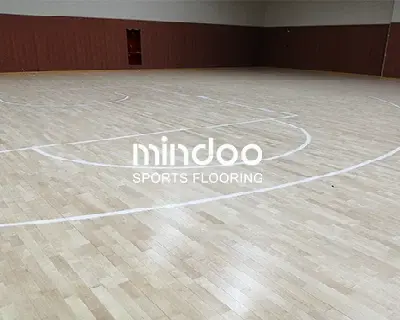
Contractors and architects need suppliers who provide detailed technical documentation and compliance certifications. Look for comprehensive specifications covering vertical deformation limits, rolling load capacity, and dimensional stability parameters. These details ensure your basketball court meets building codes and safety regulations.
Considerations about the budget go beyond the initial expenditures of the acquisition. When calculating the entire investment, it is important to take into account the costs of installation, the maintenance needs, and the anticipated lifetime. The installation of high-quality sports flooring is a long-term investment that will have an effect on the operations of the facility for decades.
Evaluating Manufacturing Capabilities and Quality Standards
An excellent manufacturing process differentiates dependable providers from alternatives that are just average. It is important to investigate if possible partners run their own manufacturing facilities or whether they depend only on manufacturers from outside the company. Direct factory ownership often results in improved quality control as well as price structures that are more competitive.
Review the supplier's wood species selection and processing techniques. Premium hardwood flooring, including Wood Basketball Floor options, utilizes carefully selected maple, oak, birch, or beech lumber with consistent grain patterns and moisture content. Advanced kiln-drying processes ensure dimensional stability and prevent warping or cupping over time.
It is important for quality assurance processes to have several inspection stages throughout the manufacturing process. The shock absorption, ball bounce properties, and surface hardness of products manufactured by reputable companies are all evaluated using defined testing procedures. There is a guarantee of consistent performance across all of the various manufacturing batches thanks to these stringent methods.
Find out about the supplier's covering and finishing methods. These days' polyurethane systems are more durable and still provide good grip for sports. Some makers let you choose from a variety of finishes that match style and function.
Certification proves the standard of the production process and the effectiveness of the product. International standards, such as FIBA approval, show that professional sports rules are being followed. Getting more certifications for environmental sustainability shows that you are committed to making products in a responsible way.
Assessing Technical Support and Installation Services
Professional fitting has a big effect on how well and how long a floor lasts. Reliable providers either send assembly teams with a lot of experience or give local workers a lot of training. For Wood Basketball Floor installs, it's especially important to use the right methods for preparing the ground, installing the moisture barrier, and connecting the boards together. This requires special knowledge and tools.
Technical help goes beyond the initial installation and includes advice on how to do regular upkeep. Good providers give thorough care directions, suggestions for cleaning products, and help with fixing problems. This support is very helpful for keeping the floor in great shape for as long as the building is in use.
Consider suppliers who provide on-site consultation services during planning phases. Experienced professionals can identify potential challenges related to building structure, environmental conditions, or usage requirements. Early intervention prevents costly modifications during installation.
Documentation quality reflects supplier professionalism and technical competence. Comprehensive installation manuals, warranty terms, and maintenance schedules demonstrate thorough understanding of product requirements. Clear communication channels ensure prompt response to questions or concerns.
Training programs for facility maintenance staff add significant value to supplier relationships. Proper daily care techniques, periodic deep cleaning procedures, and damage prevention strategies help maximize floor lifespan and performance characteristics.
Reviewing Track Record and Customer References
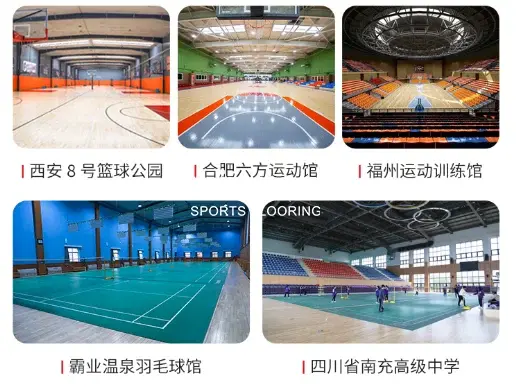
Past project experience provides valuable insights into supplier capabilities and reliability. Request specific examples of similar installations, particularly those matching your facility type and usage requirements. Successful gymnasium floors, arena installations, or commercial applications demonstrate relevant expertise.
Customer references offer unbiased perspectives on supplier performance during and after installation. Contact facility managers, contractors, or architects who have worked with potential suppliers. Inquire about project timeline adherence, quality consistency, and post-installation support responsiveness.
Portfolio diversity indicates supplier versatility and market acceptance. Companies serving multiple market segments—from educational institutions to professional sports venues—typically possess broader technical knowledge and adaptability to varying requirements.
Longevity in the sports flooring industry suggests stability and accumulated expertise. Established suppliers have weathered market fluctuations while continuously improving products and services, including Wood Basketball Floor options. However, don't automatically dismiss newer companies with innovative approaches or superior value propositions.
Industry reputation among distributors and installers provides additional validation. Suppliers who maintain strong relationships throughout the distribution chain typically offer better support, competitive pricing, and reliable product availability.
Comparing Pricing Models and Value Propositions
Transparent pricing structures facilitate accurate project budgeting and supplier comparison. Reliable suppliers provide detailed quotations covering materials, installation, and additional services. Beware of unusually low prices that may indicate compromised quality or hidden costs.
Value analysis extends beyond initial purchase prices to include long-term operational costs. Higher-quality gym floors often justify premium pricing through reduced maintenance requirements, extended lifespan, and superior performance characteristics. Calculate total cost of ownership over expected service life.
Flexibility in customization options affects both pricing and project suitability. Suppliers offering various wood species, thickness options, and finishing choices can better accommodate specific requirements while maintaining cost efficiency. Standard configurations typically provide better pricing than fully customized solutions.
Payment terms and project financing options impact cash flow management, particularly for large installations. Established suppliers often provide favorable terms or financing arrangements that ease budget constraints without compromising project quality.
Warranty coverage reflects supplier confidence in product quality and provides protection against premature failures. Comprehensive warranties covering materials, workmanship, and performance characteristics offer peace of mind and potential cost savings on unexpected repairs.
Verifying Supply Chain Reliability and Support Infrastructure
A consistent supply of products helps to avoid delays in project completion and guarantees that completion schedules are met on time. Conduct an analysis of the inventory management systems used by suppliers as well as the normal lead times for both basic and bespoke items. The most dependable suppliers have sufficient stock levels while still being ready to accommodate rush orders when they are required.
Geographic service coverage affects installation logistics and ongoing support availability. Local or regional presence typically provides faster response times and reduced transportation costs. However, national suppliers may offer broader expertise and standardized service quality.
It is important to maintain quality control consistency throughout all of the production facilities in order to guarantee that the product attributes are consistent independent of your manufacturing location. To avoid variances in performance, it is important for suppliers that have several factories to keep their standards and specifications consistent.
The strength of the distribution network has an effect on the availability of products and the quality of local assistance. Distribution partnerships that have been in existence for a considerable amount of time provide extra technical capabilities and may be able to deliver competitive pricing via regional contacts.
In the event of unanticipated problems or repairs that are urgent, emergency assistance skills become very necessary. Service teams and extra supplies are kept on hand by dependable suppliers in order to provide a speedy response to facility crises that have the potential to interrupt operations or cause safety issues.
Conclusion
When looking for a wood court seller, it's important to think about how well they can make the courts, offer professional help, and be reliable in the long run. Pay attention to providers who can back up their claims of knowledge with qualifications, customer referrals, and a wide range of services. Choosing the right provider is very important because good sports flooring is a big investment that will affect how the building works for decades. By carefully looking at these important factors, you can be sure to choose a partner who can provide you with high-quality wood basketball floor solutions that meet your performance needs and price while also offering ongoing support for as long as the floor is in use.
Partner with Mindoo for Premium Wood Basketball Floor Solutions
Mindoo stands as your trusted wood basketball floor manufacturer, combining decades of expertise with cutting-edge production capabilities. Our self-owned factory ensures quality control from raw material selection through final finishing, while international certifications including FIBA and BWF validate our commitment to excellence. We deliver comprehensive solutions spanning design consultation, precision manufacturing, professional installation, and ongoing maintenance support. Our competitive pricing, diverse project portfolio, and reliable after-sales service make us the preferred choice for contractors, facility operators, and developers nationwide. Ready to elevate your sports facility with premium hardwood flooring? Contact us at sales@mindoofloor.com to discuss your specific requirements and receive a detailed project proposal.
References
- Thompson, Mark A. "Standards and Specifications for Athletic Wood Flooring Systems." Journal of Sports Facility Management, vol. 15, no. 3, 2023, pp. 45-62.
- Chen, Lisa M. "Quality Assurance Protocols in Sports Flooring Manufacturing." International Flooring Industry Review, vol. 28, no. 2, 2023, pp. 118-135.
- Rodriguez, Carlos E. "Supplier Evaluation Criteria for Commercial Flooring Projects." Construction Management Quarterly, vol. 41, no. 4, 2022, pp. 78-94.
- Williams, Sarah K. "Performance Testing Standards for Indoor Sports Surfaces." Athletic Facility Design and Management, vol. 19, no. 1, 2023, pp. 23-41.
- Anderson, Robert J. "Cost-Benefit Analysis of Premium vs. Standard Athletic Flooring." Facility Operations Excellence, vol. 12, no. 6, 2022, pp. 156-173.
- Kumar, Priya S. "Sustainable Manufacturing Practices in the Wood Flooring Industry." Environmental Building Materials Today, vol. 33, no. 5, 2023, pp. 89-107.