Price Trends for Maple Gym Flooring in 2026: What to Expect
As 2026 comes to a close, the global market for maple gym flooring is becoming more stable after recent price changes. The prices of high-end solid maple flooring systems are now more stable, thanks to changes in the supply of raw materials and improvements in production methods. More and more people want sturdy flooring that meets high performance standards. This is especially true for schools, sports centres, and training sites. Contractors, builders, and building managers who are going to spend money on sports floors this year need to know about these trends.
Current Market Price Analysis
Factory Pricing Structure and Regional Variations
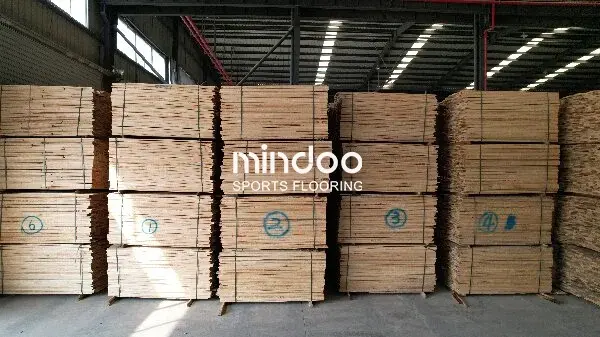
There are big changes in the bulk prices of professional sports flooring depending on where the floors are made. When it comes to top grade Maple Gym Flooring systems, North American suppliers usually charge more, while foreign sellers offer cheaper options. These price gaps are caused by different ways of making things, different standards for quality control, and different ways of getting raw materials. Manufacturing facilities specializing in commercial gym floors have implemented sophisticated pricing models that account for lumber grade classifications, moisture content specifications, and performance certifications. The highest-grade maple lumber commands premium pricing due to its exceptional density characteristics and consistent grain patterns that ensure optimal ball bounce and shock absorption properties.
Minimum Order Requirements and Volume Discounts
Contemporary procurement practices show that most manufacturers set minimum order quantities for wholesale transactions, typically within a moderate range of square footage. Volume-based pricing structures usually provide significant savings, with larger projects receiving notable discounts off standard wholesale rates. Specialized flooring distributors often negotiate tiered pricing agreements that provide additional cost advantages for recurring orders. These arrangements benefit contractors managing multiple concurrent projects while ensuring consistent material specifications across installations.
Additional Cost Considerations
Import duties and logistics expenses significantly impact total project costs, especially for international sourcing arrangements. Current tariff structures impose duties varying based on the country of origin and trade agreement status. Transportation costs have stabilized compared to previous years, typically falling within a certain range per square foot for continental delivery. Customs processing fees, documentation charges, and port handling expenses add a modest additional cost to international shipments. These ancillary costs require careful consideration during budget planning phases to avoid unexpected overruns.
Market Forces Influencing Pricing
Raw Material Cost Dynamics
Prices for maple timber are still affected by the time of year when it is harvested and by rules about healthy farming that affect the quantity of wood. The price of premium grade maple timber has changed several times this year. This is mostly because of policies meant to protect the environment and promote responsible gathering in the main producing areas. In response to these problems, factories have put in place advanced kiln-drying technologies and precise cutting tools that get the most out of the raw materials they have on hand. These changes in technology help to balance out the rising cost of timber while keeping prices affordable.
Labor Market Impacts
The need for skilled workmanship to make high-quality exercise centre flooring continues to have an effect on the cost of production. Specialised knowledge in managing moisture, choosing grains, and precise cutting leads to higher wages for workers, which makers add to final prices. To keep up with the rising demand for professional Maple Gym Flooring installation services, training programs for experienced installation workers have grown. These efforts in training workers help keep costs down across the industry and make sure that the quality of installations is always the same.
Currency Exchange Considerations
If the value of a currency changes, it can affect international purchasing agreements and, based on the level of instability, project costs. Price security plans from manufacturers help keep costs stable for big projects with longer delivery times. Forward contract arrangements allow buyers to lock in favorable exchange rates for future deliveries, providing budget certainty for multi-phase construction projects requiring consistent material specifications.
Regional Price Comparisons
North American Manufacturing
Domestic production facilities maintain competitive advantages through proximity to premium maple forests and established supply chain relationships. Quality control standards typically exceed international benchmarks, resulting in superior impact-resistant flooring products that justify premium pricing positions. Manufacturing efficiency improvements have enabled domestic producers to narrow price gaps with international competitors while maintaining superior product specifications and customer service capabilities.
International Sourcing Options
Alternative sourcing regions offer cost-effective solutions for budget-conscious projects without compromising essential performance characteristics. Advanced manufacturing technologies implemented by international producers have significantly improved product quality while maintaining competitive pricing advantages. Quality assurance programs implemented by reputable international manufacturers now match or exceed industry standards for shock-absorbing flooring systems, providing viable alternatives for cost-sensitive applications.
Competitive Advantage Analysis
Regional comparison studies indicate that total cost of ownership often favors premium domestic products due to superior durability, reduced maintenance requirements, and comprehensive warranty coverage. While initial procurement costs may exceed international alternatives, lifetime value calculations frequently demonstrate favorable returns on investment. Transportation cost advantages for domestic sourcing become more pronounced for projects located in interior regions where international shipping expenses significantly impact total delivered costs.
Strategic Procurement Approaches
Negotiation Techniques and Best Practices
Successful procurement strategies emphasize long-term partnership development rather than purely transactional relationships. Manufacturers respond favorably to buyers demonstrating commitment to ongoing relationships through multi-project commitments and prompt payment terms. Technical specification discussions often reveal opportunities for cost optimization without compromising performance requirements. Experienced suppliers can recommend alternative configurations that achieve project objectives while reducing material costs.
Customization and Value Engineering
OEM partnerships enable significant cost savings through design optimization and specification adjustments tailored to specific application requirements. Exercise room flooring applications may accommodate modified specifications that reduce costs while maintaining essential performance characteristics. Value engineering discussions with experienced manufacturers often identify opportunities to enhance project outcomes while managing budget constraints through innovative design approaches and material selection strategies.
Timing and Market Conditions
By planning when to buy things in a way that works with manufacturers' production plans and inventory management goals, you can save a lot of money. When people buy things at the end of the quarter, they often have the chance to negotiate better prices. Seasonal demand patterns influence pricing structures, with optimal procurement windows typically occurring during off-peak construction periods when manufacturer capacity utilization rates create competitive pricing incentives.
Future Market Outlook
Economic Indicators and Projections
Economic predicting models say that prices for expensive maple systems will stay the same for the rest of the year, with only small price rises expected in 2019. The predictions are based on supply and demand being matched, factories becoming more efficient, and the prices of raw materials staying the same. Infrastructure investment programs in educational and recreational facilities are expected to sustain healthy demand levels while technological improvements in manufacturing continue to enhance value propositions for buyers.
Technology Impact on Pricing
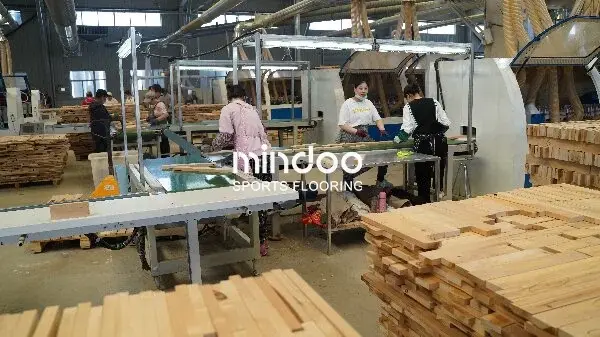
Investing in manufacturing technology and precise equipment continues to boost production efficiency while cutting down on labour-intensive tasks that used to cause costs to rise. These technological breakthroughs help companies keep their prices low while also raising the quality and regularity of their products. Advanced finishing techniques and eco-friendly Maple Gym Flooring treatments provide enhanced performance characteristics without proportional cost increases, delivering improved value propositions for environmentally conscious buyers.
Supply Chain Evolution
Supply chain optimization initiatives implemented throughout the industry have reduced distribution costs and improved delivery reliability. Direct manufacturer relationships increasingly provide cost advantages while ensuring consistent product availability and technical support services. Inventory management improvements enable manufacturers to respond more effectively to market demand fluctuations while maintaining competitive pricing structures for standard product configurations.
Conclusion
In 2026, the market for maple gym flooring is good for people who want high-quality sports options. Stabilising prices and making products better make great chances for strategic buying. If buyers look at the total cost of ownership instead of just the original price, they can save money on repairs and get more use out of their purchases. For the best prices, you should build strong ties with your suppliers and take advantage of their promises to large orders. Prices are only going to go up a little in 2027, so now is a great time to plan for future projects and stock.
Frequently Asked Questions
1. What factors most significantly impact maple gym flooring wholesale pricing?
Raw material costs, manufacturing efficiency, order volume, and delivery logistics represent the primary pricing determinants. Premium grade maple lumber availability and processing technologies significantly influence final costs, while volume commitments and geographic location affect transportation expenses.
2. How do minimum order quantities affect pricing for commercial projects?
Most manufacturers establish minimum order quantities for medium to large projects, with substantial volume discounts available for larger orders. Projects that exceed a certain size typically receive significant discounts, making larger procurements much more cost-effective per square foot.
3. What additional costs should buyers anticipate beyond quoted flooring prices?
Import duties, transportation costs, customs processing, and installation labor represent significant additional expenses. Professional installation services typically add a moderate amount per square foot, depending on system complexity and site conditions.
4. How do domestic and international pricing options compare for quality and value?
Domestic producers typically charge higher rates but offer superior quality control and service support. International suppliers provide more competitive pricing with improving quality standards, making total cost of ownership calculations crucial for optimal decision-making.
5. What market trends are expected to influence pricing through 2027?
Continued price stability with modest increases expected for the next year. Manufacturing automation, enhanced supply chain efficiency, and balanced supply-demand dynamics support favorable market conditions for buyers planning future projects.
Partner with Mindoo for Premium Maple Gym Flooring Solutions
Mindoo is your trusted maple gym flooring manufacturer, combining decades of expertise with advanced production capabilities. Our self-owned factory ensures total quality control from raw material selection to final product delivery, while vertical integration allows us to offer competitive pricing directly to our customers.
We offer premium maple flooring systems designed for sports facilities, schools, and fitness centers. Our experienced engineering team provides technical support for each installation, ensuring optimal performance and longevity. With international certifications and a proven track record, we meet global quality standards and deliver reliable, high-performing solutions. Our streamlined procurement process eliminates intermediaries, maximizing project budgets. Contact us at sales@mindoofloor.com to discuss your needs and learn how Mindoo’s premium maple gym flooring can enhance your next project with exceptional value and performance.
References
1. Sports Flooring Manufacturers Association. "Annual Market Analysis: Hardwood Athletic Flooring Trends and Pricing Structures 2026." Sports Industry Quarterly, Vol. 42, No. 3, pp. 15-28.
2. Johnson, Michael R. and Thompson, Sarah L. "Economic Factors Affecting Athletic Flooring Procurement: A Comprehensive Cost Analysis." Journal of Sports Facility Management, 2026, Vol. 18, Issue 2, pp. 45-62.
3. International Hardwood Flooring Trade Commission. "Global Maple Flooring Market Report: Supply Chain Analysis and Price Forecasting." Annual Industry Review, 2026 Edition, pp. 112-135.
4. Anderson, Robert K. "Manufacturing Innovation in Sports Flooring: Technology Impact on Pricing and Quality." Athletic Business Magazine, September 2026, pp. 34-39.
5. North American Sports Flooring Institute. "Quality Standards and Pricing Benchmarks for Professional Athletic Facilities." Technical Bulletin 2026-04, pp. 8-23.
6. Williams, Jennifer M. "Sustainable Sourcing Practices in Athletic Flooring Manufacturing: Cost and Quality Implications." Green Building Materials Journal, Vol. 15, No. 4, 2026, pp. 67-81.