Choose a dependable provider for lasting Badminton Court Maple Wood Flooring by checking manufacturing credentials, technical specs, and quality assurance methods. BWF and FIBA certifications, shock absorption above 53%, and ball rebound over 90% are crucial. China, which makes 60% of hardwood sports flooring, has transformed procurement tactics with its sophisticated production and environmental practices. Modern badminton courts require surfaces that fulfill international standards for performance, aesthetics, and longevity. To get the best value, stakeholders must understand the procurement process and evaluate manufacturer capabilities and post-installation assistance.
English
Supplier Checklist for Durable Badminton Court Maple Flooring
Understanding China's Manufacturing Excellence in Hardwood Court Production
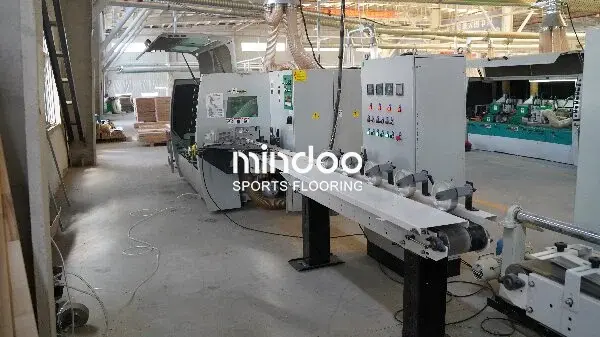
Advanced Production Technologies and Equipment
Chinese sports flooring producers have spent considerably in cutting-edge production facilities. These facilities use precision cutting, advanced kiln-drying, and automated quality control to meet product specifications. Modern production lines can process maple lumber with 0.1mm tolerances, improving surface uniformity and performance.
Manufacturers can optimize wood grain orientation, material utilization, and waste with computer-controlled gear. Advanced moisture content management technologies preserve dimensional stability in completed items throughout time. Due to their technological skills, Chinese manufacturers lead sports flooring innovation worldwide.
Sustainable Forestry Partnerships and Material Sourcing
To source superior maple lumber, top manufacturers cooperate with recognized forestry operations in North America and Europe. These relationships provide high-quality raw materials and promote sustainable forest management. Traceability systems provide supply chain transparency by tracking lumber from forest to completed product.
At the source, professional procurement teams assess lumber quality based on grain density, color uniformity, and structural integrity. This rigorous screening procedure guarantees that only the best materials enter production facilities, producing high-quality products that satisfy worldwide standards.
Quality Assurance and Testing Protocols
Comprehensive quality assurance programs cover all manufacturing steps. In-house testing facilities assess shock absorption, ball rebound, rolling load capability, and surface friction. For international conformity, these testing processes meet BWF, FIBA, and EN standards.
To ensure quality, statistical process control systems monitor production factors in real time and make adjustments. Regular third-party audits verify testing and certification compliance, ensuring product reliability and performance.
Strategic Approaches for Identifying Reliable Manufacturing Partners
Comprehensive Manufacturer Evaluation Framework
Creating a systematic evaluation framework lets buyers objectively evaluate vendors for Badminton Court Maple Wood Flooring. This framework should include manufacturing, quality certifications, production, and financial stability. Facility parameters, equipment capabilities, and quality control methods are collected using detailed questionnaires.
Site inspections illuminate production activities and quality requirements. Seeing production processes shows the manufacturer's quality and capacity to meet project needs. Technical staff demonstrate their expertise and problem-solving skills in interactive talks.
Technical Specification Verification
Comprehensive documentation evaluation and sample testing are needed to ensure manufacturers meet technical criteria. Request detailed technical data sheets with accredited lab performance test results. Examine these results against project criteria for compatibility.
Sample examination allows hands-on product quality and performance evaluation. Independently test samples to verify manufacturer claims and guarantee compliance with standards. This check helps uncover difficulties before huge orders.
Supply Chain and Logistics Assessment
Evaluation of supply chain capabilities assures timely delivery and product availability. Evaluate manufacturing ties with raw material, shipping, and logistics suppliers. Understanding supply chain resilience helps foresee disruptions and delivery delays.
Production capacity study assesses if manufacturers can meet project deadlines. Check their order backlog, production scheduling, and capacity growth plans to be sure they can meet your needs without compromising quality or delivery.
Financial Stability and Business Continuity
Assessing manufacturer financial soundness prevents business disruptions that could delay project completion. Assess their long-term viability using financial documents, credit ratings, and company references. Stable manufacturers are more likely to honor warranties and give support.
Insurance coverage verification ensures liability protection. Make sure manufacturers have product liability, professional indemnity, and business continuity insurance. Large projects with high financial risk require this protection.
Customer References and Project Portfolio Review
Project portfolios show manufacturers' experience with similar applications and scales. Request specific case studies showing their experience with similar projects. Focus on projects with similar performance, installation, or environmental conditions.
Firsthand feedback from customers reveals manufacturer performance, reliability, and support quality. Write down questions concerning product performance, shipping, technical support, and satisfaction. Communication typically reveals insights not in marketing brochures.
Essential Certification Requirements and Compliance Standards
International Sports Governing Body Certifications
BWF accreditation is the highest standard for badminton courts. Certification ensures flooring systems fulfill shock absorption, ball rebound, friction, and surface uniformity standards. BWF-certified floors are tested under realistic playing circumstances and wear patterns.
While focused on basketball courts, FIBA (International Basketball Federation) certification validates flooring quality and performance consistency. In multi-sport facilities, BWF and FIBA-certified flooring optimize performance across sports applications.
Safety and Environmental Compliance Standards
ISO 14001 environmental management certification shows manufacturer commitment to sustainable production and environmental responsibility. This accreditation becomes more significant as facility owners target green buying and green building certifications.
Safety certifications and OSHA compliance show manufacturers' commitment to quality production and safe workplaces. These certifications frequently indicate greater quality and more reliable production.
Product Safety and Performance Certifications
CE marking signals product compliance with European health, safety, and environmental requirements. This certification ensures product safety and performance worldwide and enables international trade.
FloorScore certification verifies reduced chemical emissions, improving sports facility interior air quality. This certification is crucial for educational facilities and confined arenas where air quality affects occupant health and comfort.
Proven Sourcing Channels and Platform Strategies
Direct Manufacturer Engagement
Direct manufacturer relationships offer the finest quality, affordability, and technical support. Direct interaction avoids middleman markups and allows project-specific solutions. Manufacturers give technical support, installation, and warranties that intermediaries may not.
Long-term collaborations with trusted manufacturers of Badminton Court Maple Wood Flooring benefit from volume commitments, priority scheduling, and collaborative product development. These relationships frequently include preferential pricing, technical support, and early access to new product improvements.
Professional Trade Shows and Industry Events
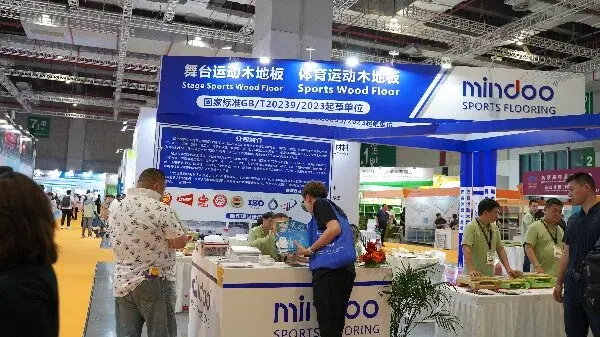
International trade shows let you assess numerous manufacturers at once. The China International Flooring Fair and DOMOTEX Asia feature new products and allow technical representatives to meet. Interactions help clarify manufacturer capabilities and product specs.
Technical seminars and industry conferences help keep up with changing standards, installation methods, and performance requirements. Networking with industry professionals helps purchase decisions by revealing manufacturer reputations and market trends.
B2B Platforms and Online Marketplaces
Organized B2B platforms enable supplier identification and initial reviews. These platforms offer supplier verification, transaction protection, and communication options for international procurement. Due diligence is necessary regardless of platform reputation.
Professional networking platforms connect industry experts, facilities managers, and procurement specialists who may recommend and discuss manufacturers. These linkages typically help acquire honest supplier performance and dependability assessments.
Strategic Considerations for OEM and ODM Collaboration
Product Customization and Development Partnerships
OEM collaborations allow private labeling of proven products without compromising quality or performance. Distributors seeking brand recognition without manufacturing capabilities benefit from these relationships. Clear brand rules, quality standards, and market protection agreements are essential for OEM success.
ODM alliances enable market-specific or performance-specific solutions. Manufacturer knowledge and buyer insights into market needs and application requirements are used in these partnerships. Technical standards, milestone-based development timelines, and IP agreements are essential for ODM engagements.
Technical Support and Installation Services
Comprehensive technical assistance includes product selection, installation, and maintenance advice. Strong technical teams at manufacturers offer project planning and execution advice. This help is crucial for difficult installations or specific performance.
Installation services vary widely by manufacturer. Some offer comprehensive site preparation, installation supervision, and post-installation testing. Others specialise in product production with certified installers. Understanding these service models aligns procurement and project management.
Quality Control and Testing Protocols
Clearly defined quality control processes prevent performance concerns and ensure project compliance. The methods should encompass incoming material inspection, in-process quality checks, and final product testing. Regular quality audits ensure production consistency.
Independent third-party testing and certification verify product performance and quality. Buyers often want batch testing certificates or quality audits to confirm specification compliance. These rules should be explicitly stated in procurement agreements to minimize confusion.
Effective MOQ and Pricing Negotiation Strategies
Understanding Minimum Order Quantities and Production Economics
Based on manufacturing efficiency, material procurement, and setup costs, manufacturers set minimum order numbers for Badminton Court Maple Wood Flooring. Understanding these economic forces helps buyers arrange orders to maximize pricing and project needs. Flexibility in scheduling and specifications might lower MOQs or enhance cost.
Production scheduling coordination helps buyers match orders with manufacturer production cycles, cutting costs and delivery delays. Advance planning and flexible specifications help manufacturers maximize production efficiency and save buyers money.
Volume-Based Pricing Strategies
Volume commitments offer price advantages due to decreased material costs, production efficiency, and administrative overhead. Multi-project commitments or framework agreements give manufacturers demand visibility for competitive pricing.
Volume pricing, cash flow, and storage are balanced by phased delivery schedules. These contracts let purchasers get volume prices while managing inventory and project timelines.
Payment Terms and Financial Arrangements
Understand manufacturer cash flow and risk tolerance to negotiate attractive payment conditions. Established purchasers with good credit can usually get longer payment arrangements or lower deposits. Letter of credit arrangements secure both parties and facilitate international transactions.
Currency hedging protects against exchange rate swings during long project timelines. Manufacturers may offer local currency pricing or currency adjustment methods to share exchange rate risks.
Comprehensive Factory Audit and Quality Control Recommendations
Production Facility Assessment Protocols
Systematic facility assessments assess manufacturing, quality control, and operations. These examinations should address equipment condition, facility cleanliness, material handling, and personnel training. Detailed checklists ensure manufacturer-wide evaluation standardization.
Environment and safety compliance verification shows manufacturer commitment to worker welfare and responsible operations. Quality and operational reliability typically depend on these aspects. Documentation and on-site observation are complimentary compliance effectiveness views.
Quality Management System Evaluation
ISO 9001 provides a framework for rigorous quality management, although manufacturers' execution differs. Detailed assessment of quality procedures, training records, and corrective action mechanisms shows quality management efficacy beyond certification.
SPC shows sophisticated quality management and dedication to constant production standards. SPC manufacturers have better quality consistency and can provide performance data to substantiate quality claims.
Supplier Audit and Verification Procedures
Independent third-party audits evaluate manufacturer capabilities and quality processes related to Badminton Court Maple Wood Flooring. Audits often identify issues missed during sales presentations or facilities tours. Professional auditors’ quality systems evaluation and cross-cultural communication skills aid accurate assessments.
Continuous monitoring and re-audits assure quality throughout commercial interactions. Management changes, equipment aging, and market demands might affect quality. Regular monitoring detects flaws before they affect product quality or delivery.
Characteristics of Leading Suppliers in 2026
Technology Integration and Digital Capabilities
Digital technologies boost quality control, manufacturing efficiency, and customer service in modern manufacturers. IoT sensors provide real-time modifications to production parameters to preserve quality. Digital quality records provide traceability and quick problem resolution.
Customer portals display order information, production progress, and delivery timetables in real time. These solutions streamline communication and reduce administrative costs for manufacturers and purchasers. Mobile apps make product, technical, and support information accessible.
Sustainability and Environmental Responsibility
Manufacturers' carbon footprint reduction efforts show environmental and social responsibility. Leading suppliers use energy-efficient production, renewable energy, and waste reduction programs to reduce environmental impact and operational expenses.
Material, production, and end-of-life product management follow circular economy principles. Through enhanced product durability, recyclability, and resource efficiency, manufacturers using these concepts generally deliver higher long-term value.
Innovation and Product Development
Manufacturers remain ahead of performance and market needs with continuous product development. Top suppliers spend in R&D to increase product performance, create new applications, and meet changing regulatory requirements.
Collaborations with consumers, research institutions, and technology vendors expedite advanced solution development. These alliances often produce breakthrough products that provide producers and customers an edge.
Conclusion
Selection of the right Badminton Court Maple Wood Flooring manufacturer needs methodical study of technical capabilities, quality certifications, manufacturing capacity, and service options. Due diligence, precise requirements, and strategic relationships lead to successful procurement. Comprehensive supplier evaluation yields greater product performance, predictable delivery schedules, and long-term collaboration benefits beyond original procurement transactions.
Frequently Asked Questions
1. What certifications should I look for in a reliable badminton court flooring manufacturer?
Performance standards are verified by BWF and FIBA certifications. ISO 9001 quality management, ISO 14001 environmental management, and FloorScore emissions certifications demonstrate quality and environmental responsibility.
2. How do I verify the technical specifications claimed by manufacturers?
Request complete test reports from accredited labs, samples for independent testing, and production facility quality control visits. Third-party verification verifies performance claims objectively.
3. What are typical minimum order quantities for custom badminton court flooring?
Depending on customization, MOQs range from 500 to 2000 square meters. Standard specs have lower MOQs, whereas special colors or dimensions may need higher volumes to justify production setup.
4. How long does manufacturing and delivery typically take?
Standard goods take 3-4 weeks to make and ship. Customization may delay manufacture by 6-8 weeks. Allow extra time for sample approval, production schedule, and customs clearance.
5. What should I include in factory audit procedures?
Assess production equipment, quality control, raw material storage, environmental compliance, labor training, and financial soundness. Include technical support and customer service evaluations.
6. How do I negotiate favorable pricing without compromising quality?
Prioritize volume, flexibility, planning, and long-term partnerships. To negotiate effectively while retaining quality, understand manufacturer cost structures.
Partner with Mindoo for Premium Sports Flooring Solutions
Your trusted badminton court maple wood flooring manufacturer, Mindoo, has over a decade of experience in top sports flooring solutions. Our self-owned factory controls quality from raw material selection to installation, and our BWF and FIBA certifications demonstrate our dedication to excellence. Contractors, sports facility operators, and distributors worldwide trust our affordable pricing, technical assistance, and consistent delivery schedules. Contact our experts at sales@mindoofloor.com to discuss your project needs and learn how our proven solutions can improve sports facility performance.
References
1. International Badminton Federation Technical Guidelines for Court Surface Standards and Performance Specifications, BWF Technical Commission, 2024.
2. "Comparative Analysis of Hardwood Sports Flooring Performance Characteristics," Journal of Sports Engineering and Technology, Volume 45, Issue 3, 2024.
3. "Global Sports Flooring Market Analysis: Manufacturing Trends and Regional Capabilities," International Flooring Industry Report, 2024.
4. Chen, M. and Williams, R., "Quality Management Systems in Chinese Sports Flooring Manufacturing," Asian Manufacturing Excellence Quarterly, 2024.
5. "Environmental Sustainability in Sports Facility Construction: Material Selection and Lifecycle Assessment," Green Building International, Volume 28, 2024.
6. Thompson, J. et al., "Performance Standards and Testing Protocols for Professional Sports Surfaces," Sports Science and Technology Review, 2024.


