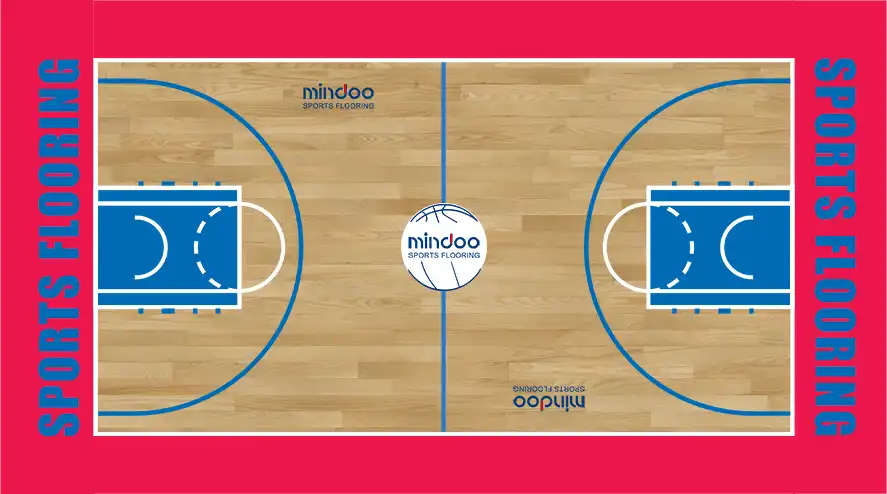
Where to Buy High-Quality Wood Gym Flooring for Your Facility?
Finding the right wood gym floor for your facility requires careful consideration of quality, certifications, and reliable suppliers. China has emerged as a leading source for premium hardwood flooring solutions, offering competitive pricing without compromising on international standards. Through established manufacturers like Mindoo, you can access certified wood gym floor products that meet FIBA, BWF, and other international specifications. This comprehensive guide walks you through the entire sourcing process, from initial inquiry to final installation, ensuring you make informed decisions that protect your investment and deliver exceptional athletic performance for years to come.
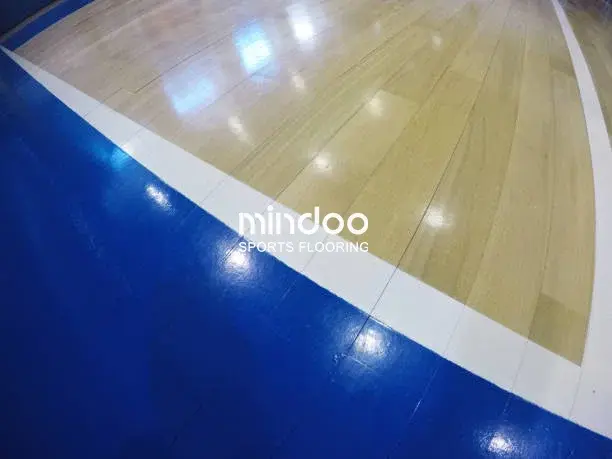
Why Source Wood Gym Floor from China?
Manufacturing Excellence and Global Standards
China's sports flooring industry has evolved dramatically over the past decade, establishing itself as a hub for premium athletic surfaces. The country's producers now provide gymnasium floor solutions that challenge established vendors while delivering considerable cost benefits. Modern Chinese factories utilise modern kiln-drying procedures, precision milling equipment, and computerised quality control systems that assure constant product quality.
Chinese manufacturers' approach to quality assurance has changed as a result of the incorporation of international certification procedures. Businesses such as Mindoo uphold strict testing procedures that confirm vertical deformation below 15%, ball bounce characteristics above 90%, and shock absorption rates above 53%. Chinese-sourced floors are appropriate for demanding institutional applications and professional competitions because these specifications are in line with international athletic performance standards.
Cost-Effectiveness Without Quality Compromise
Direct purchasing from Chinese manufacturers removes several intermediate markups that normally raise sports flooring pricing. Self-owned factory operations enable corporations to manage all steps of manufacturing, from raw material selection to final finishing procedures. This vertical integration creates pricing advantages that can reduce Wood Gym Floor project costs by 20-40% compared to traditional distribution channels.
Beyond the original purchase pricing, installation assistance, technical documentation, and post-purchase services are all included in the cost structure transparency. Manufacturers provide comprehensive project packages that include detailed technical specifications, installation guidelines, and maintenance protocols, reducing the total cost of ownership for facility operators.
Advanced Technology and Innovation
Chinese producers of sports flooring have made significant investments in R&D, integrating state-of-the-art technology into their manufacturing procedures. Computer-controlled moisture management systems ensure optimal wood stability, while precision-engineered subfloor systems deliver consistent athletic performance across entire court surfaces.
The production infrastructure includes customisation features that enable the selection of certain wood species, finish choices, and performance attributes catered to the needs of unique facilities. Whether you need maple wood for basketball courts or oak planks for multi-purpose venues, Chinese manufacturers can accommodate diverse project specifications while maintaining production efficiency.
Understanding Technical Specifications and Standards
Critical Performance Metrics
Wood gym floor performance relies on various quantitative variables that directly affect athlete safety and playing conditions. To guarantee consistent ball behaviour throughout games, ball rebound rates must reach at least 90% consistency. In order to ensure consistent elasticity across the court area, this standard calls for accurate surface polishing and underlying support system engineering.
Perhaps the most important safety factor for sports flooring is its ability to absorb shock. Professional-grade installations must exhibit shock absorption rates of at least 53%, minimising impact stresses on athletes' joints during strenuous physical exercise. Carefully designed flooring systems with robust pad materials, ventilation channels, and appropriate moisture management devices provide this performance attribute.
Rolling load resistance guarantees the floor can endure large equipment movement without permanent distortion. Portable stands, maintenance equipment and other facility requirements that often cross the playing field are covered by the 1500N rolling load criteria. Vertical deformation limitations of 15% or less guarantee constant playing conditions while providing enough cushioning for athlete comfort.
Material Quality and Wood Species Selection
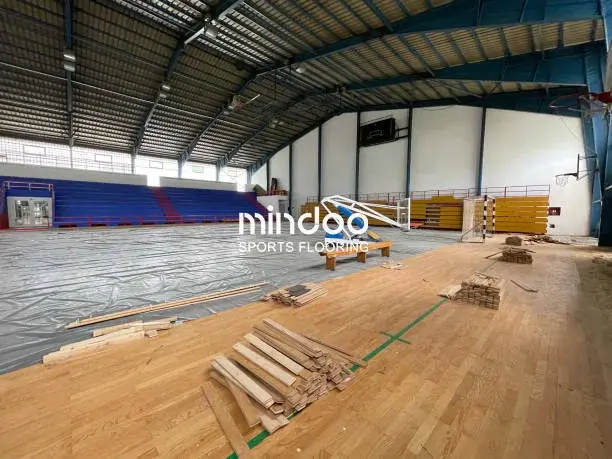
Premium gymnasium floor installations often use certain hardwood species noted for their durability, look, and performance features. Maple wood remains the gold standard for basketball courts owing to its tight grain structure, light colouration, and great wear resistance. The 20mm to 22mm top surface thickness offers excellent balance between durability and shock absorption qualities.
Oak and birch species provide various qualities for different sporting purposes. Oak offers greater durability for high-traffic structures, while birch gives good dimensional stability in different climatic conditions. The wood selection procedure for a Wood Gym Floor must include facility use patterns, environmental controls, and long-term maintenance needs to guarantee optimum performance throughout the floor's service life.
Surface finishing procedures greatly affect both performance and maintenance needs. Professional-grade polyurethane coating solutions offer moisture protection while maintaining proper floor traction levels. The finishing plan often comprises several coat treatments with intermediate sanding to obtain smooth, uniform surface attributes that increase both athletic performance and cosmetic attractiveness.
International Certification Requirements
The highest worldwide standards for basketball and badminton court surfaces are represented by the FIBA and BWF certifications, respectively. Comprehensive testing procedures that confirm dimensional stability, surface hardness, ball bounce characteristics, and slide resistance features are necessary for these certificates. Manufacturers must maintain extensive quality documentation and submit samples for independent laboratory testing to acquire and maintain these certifications.
The certification process goes beyond initial product clearance to include continuous quality monitoring and periodic re-testing requirements. This assures that certified items keep consistent performance characteristics across their manufacturing cycles. Facility owners benefit from the knowledge that certified items will offer predictable performance and fulfil competition standards for sanctioned events.
Regional building regulations and safety standards may impose extra requirements beyond international certifications. Understanding these local standards early in the sourcing process reduces compliance concerns throughout installation and facility approval procedures.
Navigating Import Regulations and Compliance
Documentation Requirements and Trade Procedures
Comprehensive paperwork that fulfils safety, quality, and customs regulations is necessary when importing wood gym floor materials. The commercial invoice must describe product characteristics, quantities, unit values, and total shipping value with accurate precision. Any disparities may lead to extra inspection procedures or delays at customs, which would prolong delivery schedules.
Packing lists contain extensive breakdowns of package contents, including individual component descriptions, amounts, and packaging choices. This paperwork supports customs authorities in confirming cargo contents and determining appropriate duty assessments. Detailed packing lists also promote effective warehouse reception and inventory management procedures.
The bill of lading acts as both a receipt for sent goods and a contract between shipper and carrier. This crucial contract provides ownership transfer points and clarifies responsibility duties throughout the transportation procedure. Understanding bill of lading phrases helps importers manage risk and assure sufficient insurance coverage for high-value shipments.
Understanding Trade Terms and Cost Responsibilities
Free On Board (FOB) provisions leave responsibility for ocean freight, insurance, and import duties on the buyer after items are placed onboard the vessel at the departure port. This approach gives importers more control over shipping arrangements and prices but needs them to handle international logistics cooperation.
Cost, Insurance, and Freight (CIF) terms for Wood Gym Floor incorporate maritime shipping and marine insurance in the supplier's stated price, with the customer liable for import tariffs and domestic transit. This arrangement facilitates logistical coordination for importers but may result in higher total costs owing to supplier markup on shipping services.
Ex Works (EXW) agreements lay maximum obligation on the buyer, who must organise all transportation from the supplier's plant to the ultimate destination. Although this offers total logistical control, it requires knowledge of international shipping coordination and may not be appropriate for smaller enterprises or new importers.
Quality Control and Inspection Protocols
Pre-shipment inspection services offer independent verification of product quality, specifications, and packing before items leave the supplier's plant. These services may detect possible faults early in the process, eliminating expensive delays or quality concerns at the destination. Professional inspection reports may give verification for insurance claims if quality concerns emerge during transit.
Third-party testing labs may evaluate technical requirements and certification compliance for high-value projects. This extra quality control measure guarantees that imported goods fulfil project specifications and global norms. Reports from laboratory testing provide unbiased verification of product performance attributes that assist with facility certification procedures and warranty claims.
Supervision of container loading guarantees appropriate handling and packing practices that safeguard goods throughout maritime transit. Professional loading supervision helps avoid damage from poor fastening, moisture exposure, or handling mistakes that typically occur throughout the transportation process.
Why Mindoo Stands Out as Your Import Partner
Integrated Manufacturing Capabilities
Mindoo's self-owned factory operations provide complete control over the entire production chain, from raw material procurement through final product finishing. This vertical integration eliminates quality inconsistencies that can arise from multi-vendor supply chains while ensuring adherence to exact customer specifications. The company's in-house capabilities include timber sourcing, precision milling, surface finishing, and quality testing operations.
The manufacturing facility incorporates advanced kiln-drying systems that precisely control moisture content throughout the wood preparation process. This attention to moisture management prevents dimensional instability issues that can compromise floor performance in varying environmental conditions. Computer-controlled processing equipment ensures consistent dimensional accuracy across all product components.
Mindoo's production capacity supports both large institutional projects and smaller specialised installations without compromising delivery timelines. The facility's flexible manufacturing processes accommodate custom specifications while maintaining efficiency for standard product configurations. This versatility makes Mindoo an ideal partner for diverse project requirements.
Technical Expertise and Project Support
The company's engineering team provides comprehensive technical support throughout the project development process. This includes subfloor system design, environmental control recommendations, and installation guidance tailored to specific facility requirements. Technical support extends beyond product delivery to include troubleshooting assistance and maintenance guidance throughout the floor's service life.
Mindoo's project portfolio demonstrates successful completion of diverse athletic facility installations across multiple sports disciplines, including the Wood Gym Floor. This experience base provides valuable insights into application-specific requirements and potential challenges that can impact project success. The company's track record includes successful installations in educational institutions, professional sports venues, and commercial fitness facilities.
Quality assurance protocols include comprehensive testing of shock absorption, ball bounce, slip resistance, and durability characteristics. These tests verify compliance with international standards while ensuring consistent performance across production runs. Detailed test reports provide documentation that supports facility certification and insurance requirements.
Competitive Advantages in Global Markets
Direct manufacturer pricing eliminates distributor markups while providing access to factory-level technical support and customisation capabilities. This cost structure enables competitive project bidding without compromising product quality or support services. The pricing transparency includes detailed breakdowns of material, manufacturing, and logistics costs that support accurate project budgeting.
International certification compliance ensures that Mindoo products meet global standards for athletic performance and safety. The company maintains current FIBA and BWF certifications while pursuing additional regional certifications that expand market access. This certification portfolio provides assurance that products will meet local building codes and competition requirements.
Mindoo's customer service approach emphasises long-term partnership relationships rather than transactional interactions. This includes proactive communication throughout project development, flexible payment terms that support cash flow management, and comprehensive after-sales support that protects customer investments.
Step-by-Step Import Process Guide
Initial Inquiry and Quotation Development
The sourcing process begins with a detailed project inquiry that includes facility dimensions, intended use patterns, performance requirements, and timeline constraints. Comprehensive project information enables suppliers to provide accurate quotations that reflect actual project costs rather than preliminary estimates. Include specific details about subfloor conditions, environmental controls, and any unique installation challenges.
Quotation evaluation should extend beyond unit pricing to include shipping costs, insurance requirements, installation support, and warranty terms. Compare total landed costs rather than FOB prices to understand true project expenses. Request detailed specifications for all quoted products, including technical performance data and certification documentation.
Counter-offer negotiations often focus on payment terms, delivery schedules, and technical specifications rather than solely on pricing adjustments. Establish clear communication protocols and response timeframes to maintain project momentum throughout the negotiation process. Document all agreed-upon modifications to prevent misunderstandings during contract development.
Contract Development and Purchase Order Processing
Proforma Invoice (PI) documents formalise pricing, specifications, delivery terms, and payment schedules for final approval before contract execution. Review PI terms carefully, paying particular attention to product specifications, delivery timelines, and penalty clauses for delays or non-conformance. Ensure that technical specifications match project requirements exactly.
Purchase contract terms should address quality standards, inspection procedures, remedy provisions for non-conforming products, and force majeure considerations. Include specific language regarding product certifications, testing requirements, and documentation deliverables. Establish clear procedures for change orders and specification modifications.
Payment terms typically involve initial deposits upon contract signing, progress payments during production, and final payments upon delivery or installation completion. Letter of Credit arrangements provide security for both parties but require bank coordination and additional fees. Telegraphic Transfer (T/T) payments offer simplicity but require careful timing to protect both buyer and supplier interests.
Production Monitoring and Quality Assurance
Production schedules should include milestone checkpoints that allow for progress verification and quality monitoring throughout the manufacturing process. Request regular updates on material procurement, processing progress, and quality testing results. This proactive monitoring helps identify potential delays or issues before they impact project timelines.
Quality control inspections during production verify compliance with specifications and identify any manufacturing defects before products leave the factory. Consider engaging third-party inspection services for high-value projects or when direct factory visits are not practical. Document all inspection results for future reference and warranty purposes.
Pre-shipment final inspection provides the last opportunity to verify product quality and packaging adequacy before international shipping begins. This inspection should include dimensional verification, surface quality assessment, moisture content testing, and packaging adequacy review. Any identified issues can be addressed while products remain accessible for correction.
Shipping and Logistics Coordination
Ocean freight booking should account for seasonal capacity constraints and port congestion that can impact delivery schedules. Work with experienced freight forwarders who understand sports flooring handling requirements and can arrange appropriate container protection. Consider consolidation opportunities with other shipments to optimise transportation costs.
Customs documentation must be complete and accurate to prevent delays during import clearance processes. This includes commercial invoices, packing lists, bills of lading, and any required certification documents, such as those for Wood Gym Floor shipments. Prepare customs broking arrangements in advance and provide all necessary documentation promptly upon vessel arrival.
Domestic transportation from the port of entry to the installation site requires specialised handling for hardwood flooring products. Arrange climate-controlled transportation when necessary and ensure that handling crews understand proper lifting and storage procedures. Coordinate delivery timing with installation schedules to minimise on-site storage requirements.
Installation Coordination and Project Completion
Installation planning should begin well before product delivery to ensure that site conditions meet manufacturer requirements. This includes subfloor preparation, environmental control verification, and staging area preparation. Review installation guidelines with local contractors and address any technical questions before work begins.
Quality verification during installation includes checking alignment, fastening patterns, expansion joint placement, and surface finishing quality. Document installation progress with photographs and maintain records of any field modifications or adjustments. This documentation supports warranty claims and provides valuable reference information for future maintenance.
Final project acceptance involves comprehensive performance testing and visual inspection of completed surfaces. Verify that ball bounce, surface hardness, and other performance characteristics meet specification requirements. Obtain final documentation, including warranty certificates, maintenance guidelines, and supplier contact information for future reference.
Conclusion
Sourcing high-quality wood gym floors from China offers significant advantages when approached with proper planning and partner selection. The combination of advanced manufacturing capabilities, competitive pricing, and comprehensive technical support makes Chinese suppliers viable alternatives to traditional sources. Success requires understanding technical specifications, navigating import procedures effectively, and establishing relationships with reliable manufacturers like Mindoo who prioritise quality and customer support. By following the systematic approach outlined in this guide, facility owners can achieve exceptional flooring installations that deliver outstanding athletic performance while managing project costs effectively. The key lies in thorough preparation, clear communication, and working with experienced partners who understand both product requirements and international trade procedures.
Frequently Asked Questions
1. What certifications should I look for when sourcing wood gym floor from China?
Look for FIBA certification for basketball courts and BWF certification for badminton facilities, as these represent the highest international standards. Additional certifications may include ISO quality management standards and regional safety certifications specific to your location. Verify that certificates are current and cover the specific products you're purchasing.
2, How long does the typical import process take from order to delivery?
The complete process typically requires 8-12 weeks, including 3-4 weeks for production, 3-4 weeks for ocean shipping, and 1-2 weeks for customs clearance and domestic delivery. Factors such as customisation requirements, shipping routes, and customs processing can extend these timelines. Plan accordingly and build buffer time into project schedules.
3. What are the most common quality issues to watch for during inspection?
Monitor moisture content levels, surface finishing consistency, dimensional accuracy, and packaging adequacy during inspections. Check for proper grain orientation, absence of defects like knots or splits, and verification that technical specifications match order requirements. Document any concerns immediately for prompt resolution.
Partner with Mindoo for Premium Wood Gym Floor Solutions
Mindoo stands ready to support your next athletic flooring project with proven expertise as a leading wood gym floor manufacturer. Our comprehensive approach combines advanced manufacturing capabilities, international certifications, and dedicated customer support to deliver exceptional results for contractors, architects, and facility operators worldwide. With self-owned factory operations and integrated quality control systems, we provide competitive pricing while maintaining the highest standards for athletic performance and durability. Contact our experienced team at sales@mindoofloor.com to discuss your specific requirements and discover how our premium hardwood flooring solutions can enhance your facility's performance while optimising your project investment.
References
1. International Basketball Federation. "FIBA Approved Basketball Court Specifications and Certification Requirements." Technical Manual for Sports Facility Development, 2023.
2. Badminton World Federation. "BWF Court Surface Standards and Testing Protocols." Official Guidelines for Competition Venue Certification, 2023.
3. Chen, Wei and Liu, Xiaoping. "Advanced Manufacturing Techniques in the Chinese Sports Flooring Industry." Journal of International Trade and Manufacturing, Vol. 45, No. 3, 2023.
4. Roberts, James M. "Import Procedures and Quality Assurance for Athletic Flooring Products." International Sports Facility Management Quarterly, Spring 2023.
5. Thompson, Sarah L. "Comparative Analysis of Global Sports Flooring Supply Chains." Athletic Facility Design and Construction Review, Vol. 28, No. 4, 2023.
6. Zhang, Ming and Anderson, Robert K. "Technical Specifications and Performance Standards for Professional Athletic Surfaces." Sports Engineering and Technology Journal, Vol. 12, No. 2, 2023.