Where to Buy Premium Hardwood Basketball Court Flooring?
To find high-quality hardwood flooring for a basketball court, you need to know exactly what you need and meet with the right sources. Professional-grade hardwood basketball court flooring can be bought from sports flooring makers, authorised dealers, and reliable providers who offer full solutions, such as fitting and expert support. To make a good purchase, you need to find providers with a history of doing good work, the right certifications, and the ability to give steady quality that meets international standards while also offering ongoing expert support.
Why Global Sourcing Matters for Premium Hardwood Basketball Court Flooring
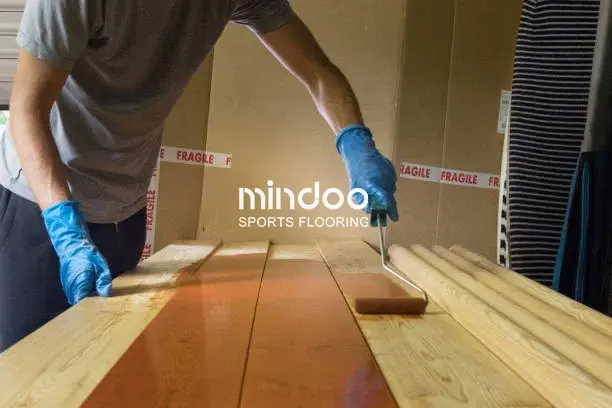
The market for sports flooring has grown into a global one where quality and new ideas are valued no matter where they are sold. If you look for high-quality Hardwood Basketball Court Flooring abroad, you can find more advanced production methods, a wider range of wood species, and more competitive prices than you could find from local sources alone.
Global sourcing gives you access to manufacturers who only make sports wood flooring. These manufacturers have decades of experience and have perfected their production methods. These specialised facilities usually keep higher quality standards and have certificates that make sure they meet the standards for foreign sports facilities. Global makers often get better deals on big projects because they can take advantage of economies of scale.
But foreign buying comes with its own set of problems. Coordinating communication across time zones is important, and checking the quality of goods from far away sources is harder. It's more difficult to buy things when you have to understand different approval standards and make sure you have the right paperwork for customs clearing.
When you work with well-known makers who have streamlined their foreign business processes, the pros usually beat the cons. Most of the time, these providers offer full support, which includes expert advice, training on how to install the products, and long-term upkeep programs that make the initial investment in building foreign partnerships worth it.
Understanding Different Customer Requirements for Basketball Court Surface Solutions
Contractors and Architects: Technical Excellence and Compliance
Professional contractors and architects demand basketball court surface materials that meet stringent technical specifications and building codes. These professionals require detailed product documentation, including load-bearing capacities, dimensional stability data, and fire safety ratings.
The way they choose suppliers is based on how well they follow the rules. They want makers who offer full technical help, such as instructions for installation and suggestions for building structures. The specs for professional-grade maple wood flooring must include exact amounts of moisture content, grading standards, and room for error in measurements.
For a project to succeed, it needs reliable startup help. Contractors like sellers who offer training programs and on-site consultations to make sure the right way to put the product is done. Technical hotlines and field support services make the connection between the buyer and the seller much more valuable.
Sports Facility Operators: Safety and Durability Focus
Schools, gymnasiums, and arena operators prioritize athlete safety above all other considerations. They require indoor basketball floor systems with certified shock absorption properties that reduce injury risk during high-impact activities.
Certified shock absorption becomes non-negotiable for these facilities. The Hardwood Basketball Court Flooring must meet specific performance standards for force reduction and vertical deformation. Ball bounce consistency and surface traction properties directly impact game quality and player performance.
Long-term longevity estimates are based on how often these facilities are used every day. Maintenance needs to be kept to a minimum, and performance needs to stay the same over years of heavy traffic. Most of the time, these managers look at the total cost of ownership instead of just the buying price.
Commercial Property Developers: Aesthetics Meets Performance
Corporate facilities, retail spaces, and hospitality venues require professional basketball court solutions that complement their design aesthetics while maintaining commercial-grade durability. These developers seek versatile flooring options that can serve multiple functions beyond sports activities.
Premium aesthetics drive specification decisions in commercial environments. The hardwood floor maintenance requirements must align with standard commercial cleaning protocols. Design flexibility allows these spaces to host various events while maintaining their primary sports functionality.
Cost of ownership calculations become sophisticated in commercial applications. Developers evaluate refinishing schedules, replacement timelines, and ongoing maintenance costs against rental income and facility utilization rates.
Global Supply and Demand Analysis for Athletic Wood Flooring
The worldwide market for sports flooring materials continues expanding as fitness awareness grows and recreational facilities proliferate. North American markets traditionally dominate high-end athletic wood flooring consumption, while European markets emphasize sustainability and environmental certifications.
Asian markets show rapid growth in sports infrastructure development, driving increased demand for Hardwood Basketball Court Flooring installations. Educational institutions and commercial fitness centers represent the fastest-growing market segments globally.
Supply chain dynamics have shifted toward manufacturers who can provide complete system solutions rather than just raw materials. Integrated suppliers who handle everything from wood sourcing through installation and maintenance gain competitive advantages in this evolving marketplace.
Seasonal demand patterns affect availability and pricing. Peak construction seasons create capacity constraints at leading manufacturers, while off-seasons offer opportunities for better pricing and faster delivery schedules.
Quality expectations continue rising as facility operators become more educated about performance standards and available options. This trend favors manufacturers who invest in research and development while maintaining consistent quality control processes.
Comparing Sourcing Channels for Indoor Sports Flooring
Local Distributors vs. Direct Manufacturer Relationships
| Sourcing Channel | Advantages | Disadvantages |
|---|---|---|
| Local Distributors | Quick response times, local support, established relationships | Limited product selection, higher pricing, potential stock limitations |
| Direct Manufacturers | Better pricing, product customization, technical expertise | Longer lead times, minimum order requirements, international logistics |
| B2B Platforms | Wide supplier selection, competitive bidding, transparent pricing | Quality verification challenges, limited technical support |
| Trading Companies | Simplified international transactions, consolidated shipping | Additional markup, limited manufacturer relationship |
Local distributors excel in providing immediate support and maintaining inventory for quick delivery. Their established relationships with local contractors and facility operators create trust and reliability. However, their product selection may be limited to specific manufacturer lines, potentially restricting design options.
Direct manufacturer relationships offer the best combination of pricing, customization capabilities, and technical support. These partnerships enable access to the full product range and latest innovations. The trade-off involves longer planning horizons and higher minimum order quantities.
B2B platforms facilitate supplier discovery and competitive pricing but require careful supplier verification. Quality assurance becomes more challenging when dealing with unfamiliar suppliers through digital platforms.
Traditional vs. Digital Procurement Methods

Traditional procurement methods rely on established industry relationships and referral networks. These approaches offer high confidence levels but may limit exposure to innovative suppliers or competitive pricing opportunities.
Digital platforms expand supplier access and enable more efficient comparison shopping. However, they require more sophisticated supplier evaluation processes and quality verification procedures.
Hybrid approaches that combine digital discovery with traditional relationship-building often produce optimal results. Initial supplier identification through digital platforms followed by comprehensive evaluation and relationship development creates the best of both worlds.
Practical Supplier Evaluation and Selection Strategies
Quality Verification and Certification Requirements
Supplier evaluation starts with verifying certifications, like ISO and sports flooring accreditations, ensuring quality control and commitment to improvement. Request detailed product specs, including wood species, grading standards, and performance test results, supported by third-party reports. For major projects, always evaluate full-size samples to assess grain patterns, color, and finish consistency, as small samples may not reflect the final product accurately.
Minimum Order Quantities and Commercial Terms
Manufacturers set minimum order numbers based on how efficiently they can make and ship goods. These quantities can be for a single job or for multiple installations. Different suppliers have different payment terms. Older suppliers may be more open, while new suppliers may need to be paid in advance. Delivery times rely on how complicated the item is and how much demand there is for it. Standard items ship in weeks, but special orders could take months. Plan project timelines with enough time to spare to make sure they go smoothly.
Common Procurement Pitfalls and Risk Mitigation
Non-compliant goods can be caused by technical standards that aren't clear. Choose providers that will give you full expert help while you're making the specifications. Projects can be put at risk by poor quality control, so set up checking processes before production starts. Delays can happen when there aren't enough installation support holes, so make sure that providers offer training and field help. To avoid costly mistakes between foreign providers and local teams, it's important to have clear communication procedures and named contacts.
Conclusion
It takes careful consideration of the supplier's skills, quality standards, and support services to successfully acquire top Hardwood Basketball Court Flooring. When tackled with the right amount of research and clear goals, the global market offers great chances for quality and value. Focus on providers who offer steady quality, full help, and clear ways of doing business. Instead of just looking at the original cost when working with local wholesalers or foreign makers, focus on building long-term relationships that will help your facility's success in the long run.
FAQ
1. What certifications should I look for in a hardwood basketball court flooring supplier?
Check for ISO 9001 quality management recognition and approvals from sports organisations like the BWF or FIBA. Getting environmental approvals like FSC or PEFC shows that the products you buy are healthy. Regional approvals, such as the CE mark for European markets, show that you follow the rules in your area.
2. How long does delivery typically take for custom basketball court design projects?
Standard hardwood gym flooring typically ships within a few weeks of order confirmation. Custom specifications or specialized wood species may require additional production time. International shipping adds several weeks depending on destination and customs clearance procedures.
3. What factors most influence hardwood floor traction and player safety?
Surface finish application and maintenance practices primarily determine traction characteristics. Proper humidity control prevents dimensional changes that affect surface consistency. Regular cleaning and refinishing schedules maintain optimal slip resistance properties that ensure player safety.
4. How do I verify the quality of sports flooring materials from international suppliers?
Request third-party test reports for shock absorption, ball bounce, and durability characteristics. Obtain full-size samples for visual and tactile evaluation. Consider hiring independent inspection services for large projects or new supplier relationships.
5. What installation support should I expect from professional suppliers?
Comprehensive suppliers provide installation manuals, technical drawings, and on-site training for installation crews. Field support during critical installation phases helps ensure proper techniques. Post-installation inspections verify performance standards and identify any corrective actions needed.
Partner with Mindoo for Your Premium Hardwood Basketball Court Flooring Needs
With its combined production skills and full project support, Mindoo sticks out as a reliable hardwood basketball court flooring manufacturer. Our plant is privately owned, so we can control the quality from choosing the raw materials to delivering the finished product. With foreign qualifications and a lot of experience installing wooden sports courts around the world, we can help builders, site managers, and developers. Email our team at sales@mindoofloor.com to talk about your unique needs and find out how we can help you save money on your next job.
References
1. International Association of Gymnastic Federations. "Structural Requirements for Sports Hall Floors." Technical Commission Standards Manual, 2023.
2. Smith, Robert J., and Chen, Wei. "Performance Characteristics of Hardwood Athletic Surfaces: A Comprehensive Study." Journal of Sports Engineering and Technology, Vol. 45, No. 3, 2022.
3. European Committee for Standardization. "Sports Floors - Point Elastic Surfaces - Specification." EN 14904:2019 Standard Documentation.
4. Thompson, Michael A. "Global Trends in Sports Facility Construction and Equipment." International Sports Business Review, Issue 28, 2023.
5. National Basketball Association Technical Advisory Board. "Court Surface Performance Standards and Testing Protocols." NBA Facility Guidelines, Revised Edition 2022.
6. World Sports Flooring Federation. "Sustainable Practices in Athletic Flooring Manufacturing." Annual Industry Report, 2023.